Austria’s cultural narrative is anchored by two royal citadels connected by a whisper-quiet two-hour and twenty-two-minute journey across the Danube basin aboard the state-of-the-art ÖBB Railjet. Vienna—the former nerve center of an empire that spanned half the European continent—presents an unparalleled architectural masterclass of Baroque, Neo-Renaissance, and Jugendstil design. Salzburg, cradled beneath towering limestone crags on the German border, exudes a dramatic ecclesiastical elegance sculpted by Prince-Archbishops and set to the eternal cadence of Wolfgang Amadeus Mozart.
Part I: The Habsburg Heart of Vienna
Vienna is not simply a city with historic monuments; it is an orchestrated urban symphony. The famous Ringstraße, commissioned in December 1857 by Emperor Franz Joseph I to replace the dismantled medieval fortifications, remains one of the world's most grandiose boulevards. Along this circular tree-lined promenade stand the Vienna State Opera, the Parliament with its towering statue of Pallas Athena, the City Hall (Rathaus), and the monumental twin museums—the Kunsthistorisches Museum and the Naturhistorisches Museum.
Vienna Heritage Telemetry
Primary Altitude: 171 meters above sea level
Subway Infrastructure: U-Bahn lines U1 through U6 operating 24h on weekends
Imperial Focal Points: Hofburg Imperial Palace, Schönbrunn Palace, Belvedere Upper Palace
Culinary Benchmark: Wiener Melange paired with original Sachertorte or warm Apfelstrudel
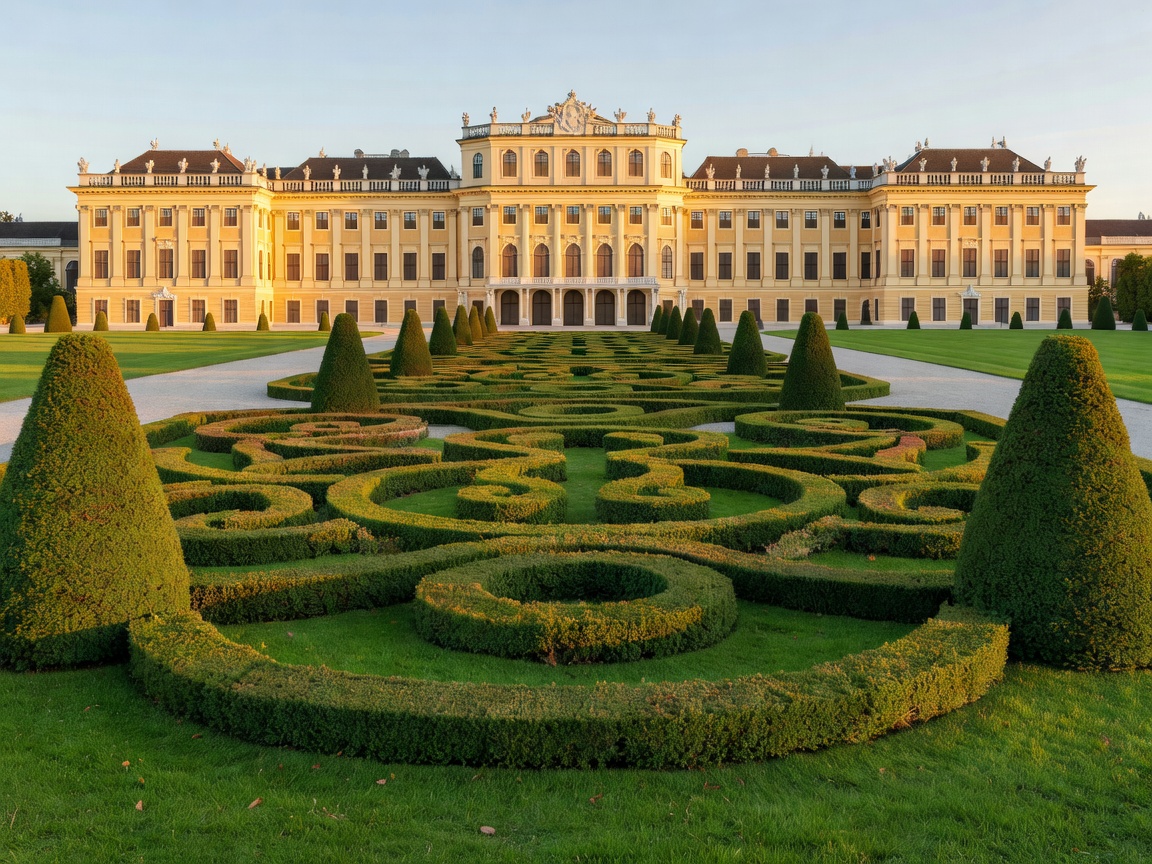
Schönbrunn Palace: The 1,441-Room Summer Residence
Located in the city's 13th district of Hietzing, Schönbrunn was the summer retreat of the Habsburg monarchs. Designed by Johann Bernhard Fischer von Erlach and later transformed into its iconic Rococo yellow livery under Empress Maria Theresa, the palace showcases 45 open staterooms out of 1,441 total chambers. The Great Gallery, illuminated by gilded crystal chandeliers and ceiling frescoes by Gregorio Guglielmi, hosted the historic banquet during the Congress of Vienna in 1814–1815. Travelers should allow at least four hours to ascend through the sculpted crown gardens toward the Gloriette colonnade, offering panoramic views back over the imperial palace and the Vienna skyline.
Viennese Coffeehouse Culture: Intangible Cultural Heritage
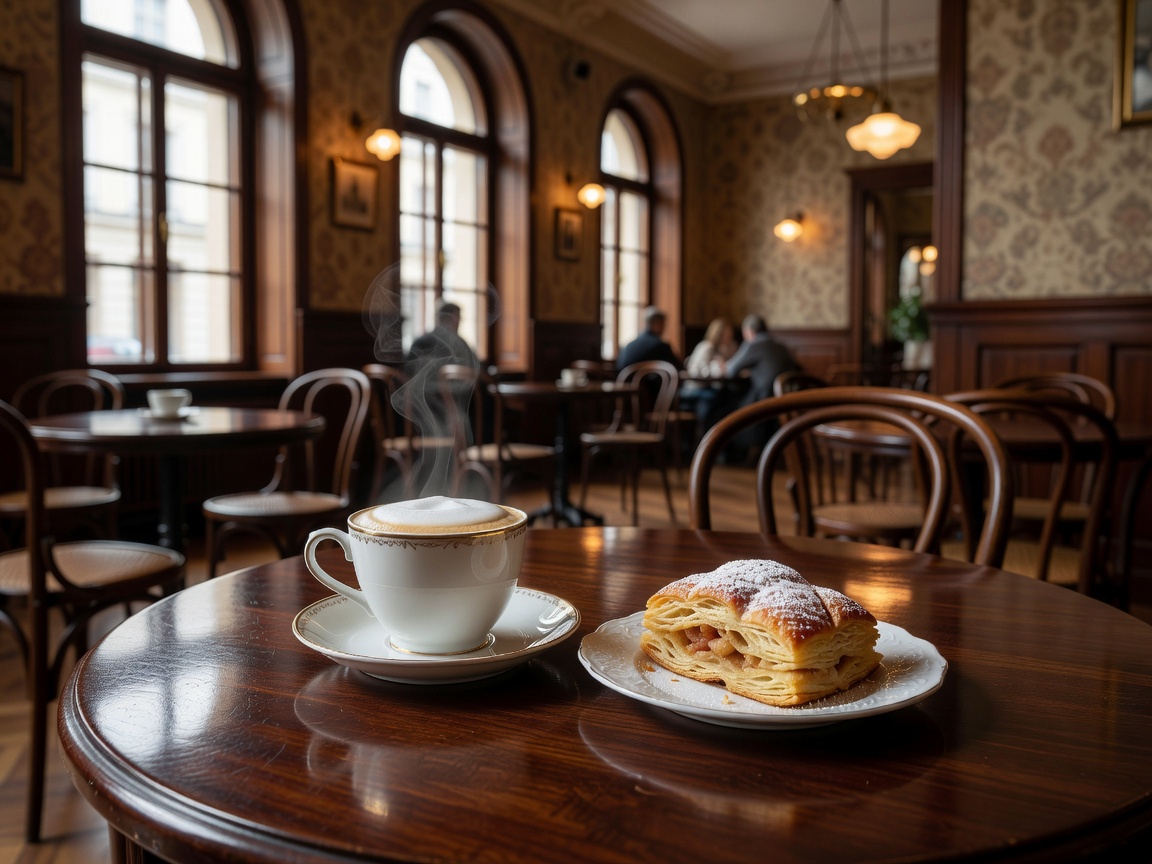
Recognized by UNESCO in 2011, the Viennese café (Kaffeehaus) is fundamentally defined as an institution "where time and space are consumed, but only the coffee is found on the bill." In venerated halls like Café Central on Herrengasse, Café Sperl, or Café Demel on the Kohlmarkt, patrons sit at polished Thonet chairs beside marble-topped tables for hours, reading national newspapers suspended on wooden rods. The essential ritual demands ordering a Wiener Melange—espresso pulled with equal parts steamed milk and milk foam—served immaculately on a silver tray accompanied by an obligatory glass of fresh Alpine tap water crowned with a small upside-down spoon.
Part II: The Baroque Citadel of Salzburg
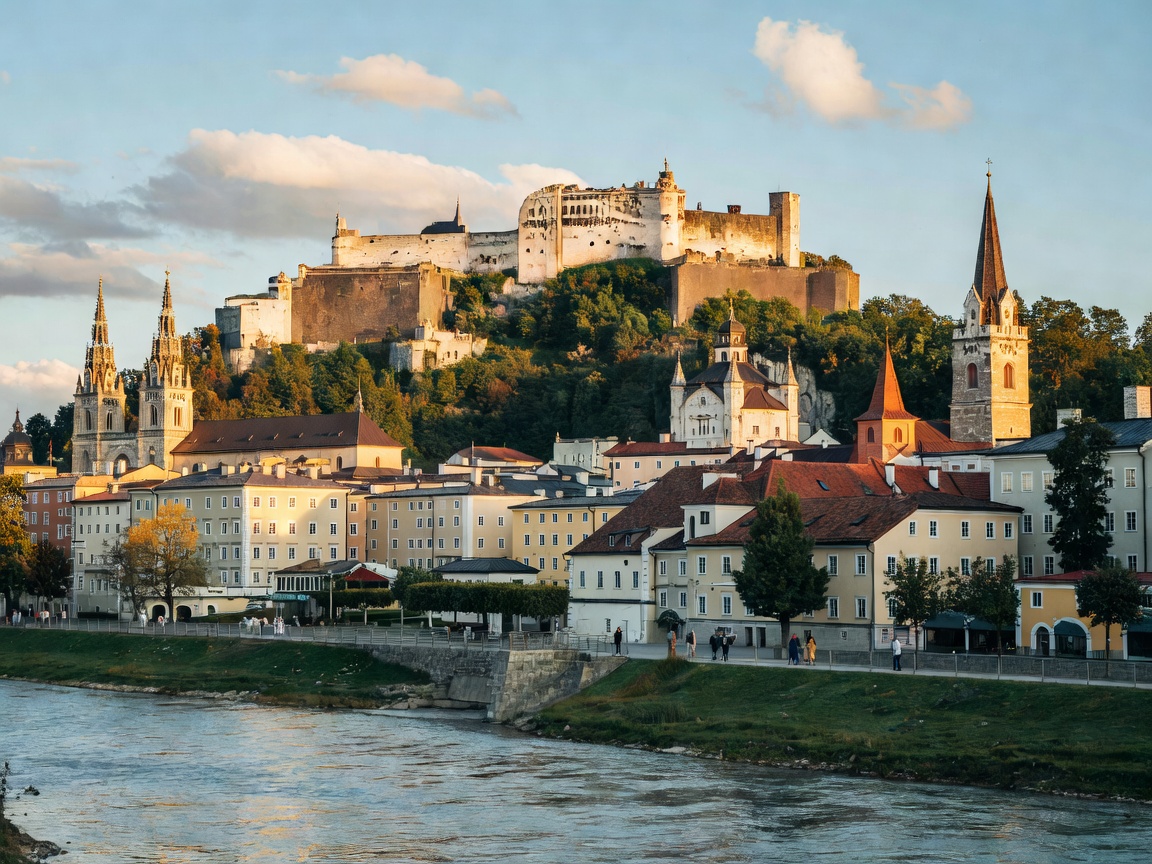
Departing Vienna Westbahnhof or Vienna Hauptbahnhof, the westbound Railjet cuts through Lower Austria, bypassing the monastery of St. Pölten and traversing Upper Austria before decelerating into Salzburg Hauptbahnhof. The transition from imperial imperiality to vertical Alpine drama is immediate: the river Salzach splits the city between the 19th-century Right Bank and the UNESCO-preserved Left Bank Old Town, dominated by the brooding chalk-colored monolith of Festung Hohensalzburg.
Hohensalzburg Fortress: The Unconquered Citadel
Perched high atop the Festungsberg cliff since 1077, Hohensalzburg is among the largest intact medieval castles in Central Europe. Accessible via a two-minute ride on the modern Festungsbahn funicular, the fortress rewards visitors with tactical viewpoints into the Tennengebirge mountain ranges. Within the upper castle, the Golden Hall and Golden Chamber preserve 15th-century wood carvings, twisted marble columns, and gothic coffered ceilings designed to broadcast the immense wealth extracted from regional salt trading.
Salzburg Transit & Cultural Logistics
Railjet Travel Time from Vienna: Exactly 2 hours, 22 minutes (departing hourly)
Old Town Geometry: Strictly pedestrianized; optimal navigation on foot
Mozart Monuments: Mozarts Geburtshaus (Getreidegasse 9) & Mozarts Wohnhaus (Makartplatz 8)
Panorama Point: Kapuzinerberg viewpoint facing across the Salzach
Getreidegasse and Mirabell Palace Gardens
Walking the Getreidegasse feels like stepping into a living 16th-century market square. Wrought-iron guild signs extend over cobblestone streets, pointing toward antique silversmiths, traditional Austrian Trachten boutiques, and No. 9—the bright yellow townhouse where Wolfgang Amadeus Mozart was born on January 27, 1756. Across the river, the Mirabell Palace gardens provide meticulously sculpted parterres, marble statues of classical gods, and the famous Pegasus Fountain, perfectly framing the Hohensalzburg fortress in the background.
Practical Rail Connection Tips
When booking tickets between Vienna and Salzburg, reserve seats on the left side of the carriage (heading west) to view the foothills of the Salzkammergut as the train approaches Salzburg. First Class travelers on ÖBB Railjets receive complimentary digital newspaper access and steward meal service directly to their seats, featuring freshly prepared Styrian pumpkin seed salads and classic Austrian lager.