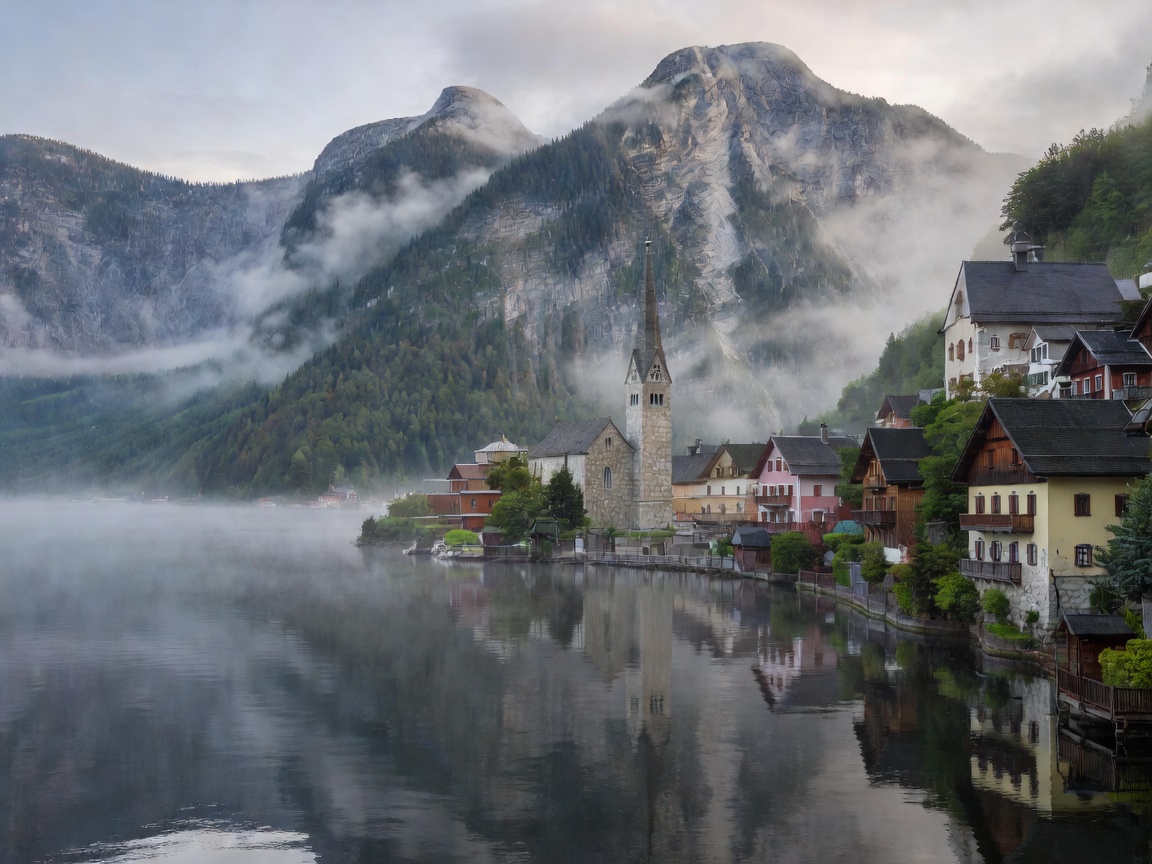
Clinging precariously to a narrow sliver of limestone shelf between the Dachstein mountain wall and the brooding depths of the Hallstätter See, Hallstatt represents one of humanity's most ancient permanent alpine settlements. So profound was this community’s influence on human archaeology that an entire era of the Early European Iron Age (800–450 BC) is formally named the Hallstatt Culture. Today, together with the surrounding Salzkammergut lake region, it forms a UNESCO World Heritage cultural landscape of staggering geological and historical majesty.
The Prehistoric Salt Mine: 7,000 Years of "White Gold"
High above the village, in the high valley of the Salzberg (Salt Mountain), lies Salzwelten Hallstatt—recognized as the oldest salt mine on planet Earth. Miners have extracted sodium chloride here continuously for seven millennia. Visitors ascend from the lake village via the Salzberg funicular railway before walking through underground corridors carved into salt rock.
Salzkammergut Lake & Mine Telemetry
Lake Elevation: 508 meters above sea level
Maximum Water Depth: 125 meters (Hallstätter See)
Subterranean Temperature: Constant 8°C inside the salt shafts year-round
Prehistoric Artifact Highlight: The 3,400-year-old Bronze Age wooden staircase, the oldest in Europe
The interior tour features a slide down a 64-meter wooden miners' chute, reaching speeds of up to 30 km/h, leading to a subterranean salt lake illuminated by choreographed light projections. In 1734, miners discovered the preserved body of an Iron Age miner fully embalmed by the salt rock—the famous "Man in Salt"—testifying to the extraordinary preserving chemistry of these deep alpine chambers.
The Skywalk World Heritage View
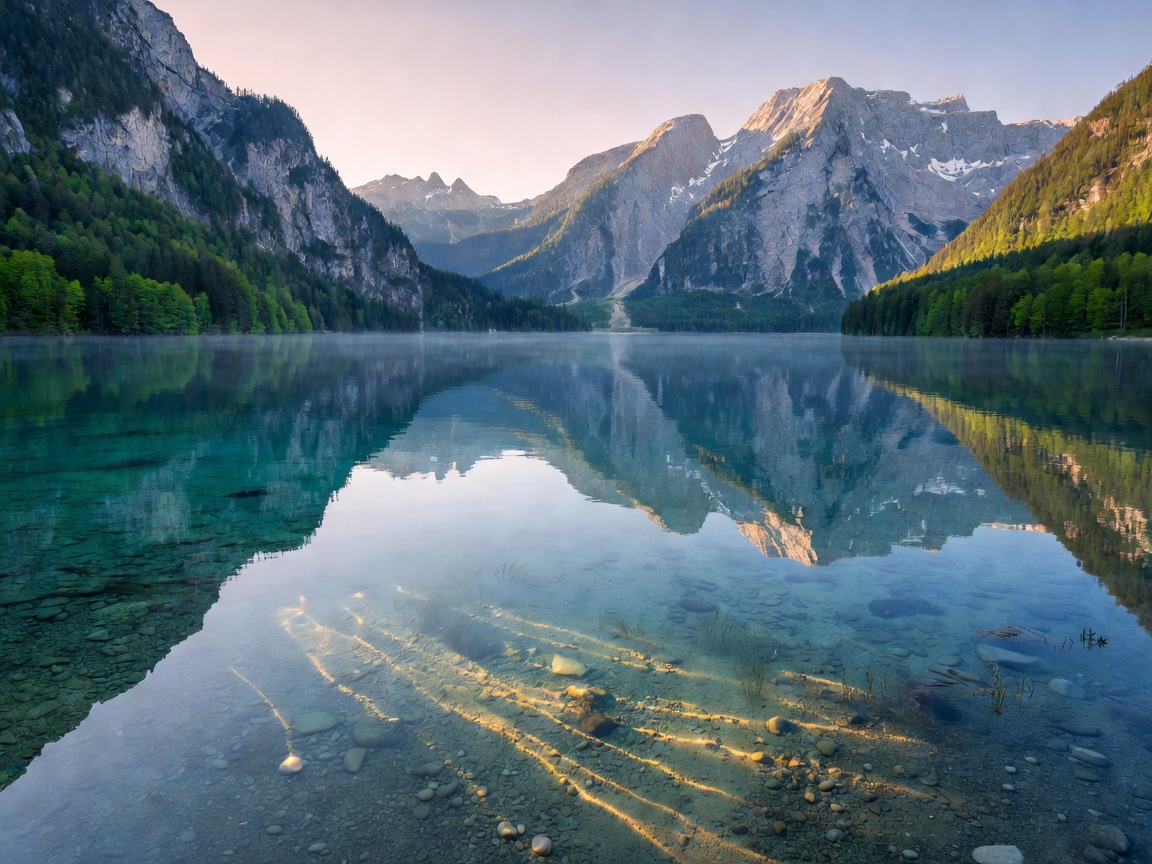
Directly adjacent to the historic Rudolfsturm restaurant at the funicular terminus, the Hallstatt Skywalk extends in a triangular cantilever point 350 meters above the village rooftops. Standing at the apex delivers an unobstructed perspective across the mirror-smooth surface of the fjord and into the jagged, snow-dusted ridges of the Plassen and Sarstein mountains.
Subterranean Wonder: The Dachstein Giant Ice Cave
Across the southern end of the lake in Obertraun, the Dachstein Krippenstein cable car transports explorers up to the Dachstein Rieseneishöhle (Giant Ice Cave). Over centuries, melting snow filtered through surface limestone cracks into massive sub-surface chambers. When cold winter air entered the cave system, it cooled the interior below zero, freezing the water into monumental ice towers, frozen waterfalls, and ice domes up to 20 meters thick.
Dachstein Speleological Notes
Cave Air Temperature: -2°C to +2°C throughout the summer
Ice Formation Volume: Exceeds 30,000 cubic meters of permanent ice
Access Route: Dachstein Krippenstein Cable Car (Section I) followed by a 15-minute alpine trail walk
The Salzkammergut Lake System: Wolfgangsee & Traunsee
While Hallstatt commands international acclaim, the broader Salzkammergut region encompasses 76 interconnected lakes. Lake Wolfgang (Wolfgangsee), located a short 35-minute drive or bus ride to the northwest, offers classic Belle Époque paddle steamer cruises between St. Gilgen, St. Wolfgang, and Strobl.
At St. Wolfgang, travelers can board the SchafbergBahn—Austria’s steepest steam-operated cogwheel railway, operating continuously since 1893. The red locomotive pushes carriages through 5.85 kilometers of mountain pastures up to the 1,783-meter summit of the Schafberg, where on clear days you can look down upon eleven distinct shimmering alpine lakes simultaneously.
Transit & Arrival Strategy
The most romantic arrival into Hallstatt is by train. The ÖBB regional railway runs along the uninhabited eastern bank of the lake. Passengers alight at the miniature Hallstatt Bahnhof station platform, descending concrete steps directly to the lakeside pier. Here, the traditional wooden ferry boat Stefanie coordinates with every scheduled train arrival, ferrying travelers across the misty waters toward the Gothic church spire of Hallstatt Markt in true imperial fashion.