In Austria, travel and gastronomy are intimately intertwined. The national railway operator, ÖBB (Österreichische Bundesbahnen), does not treat transit as a mere logistical necessity, but rather as an extension of Austrian hospitality. As modern Railjet trainsets glide at up to 230 km/h across the undulating landscape, dining cars (Bistro & Restaurant) serve fresh regional specialties prepared with locally sourced butter, alpine cheeses, and Austrian wines.
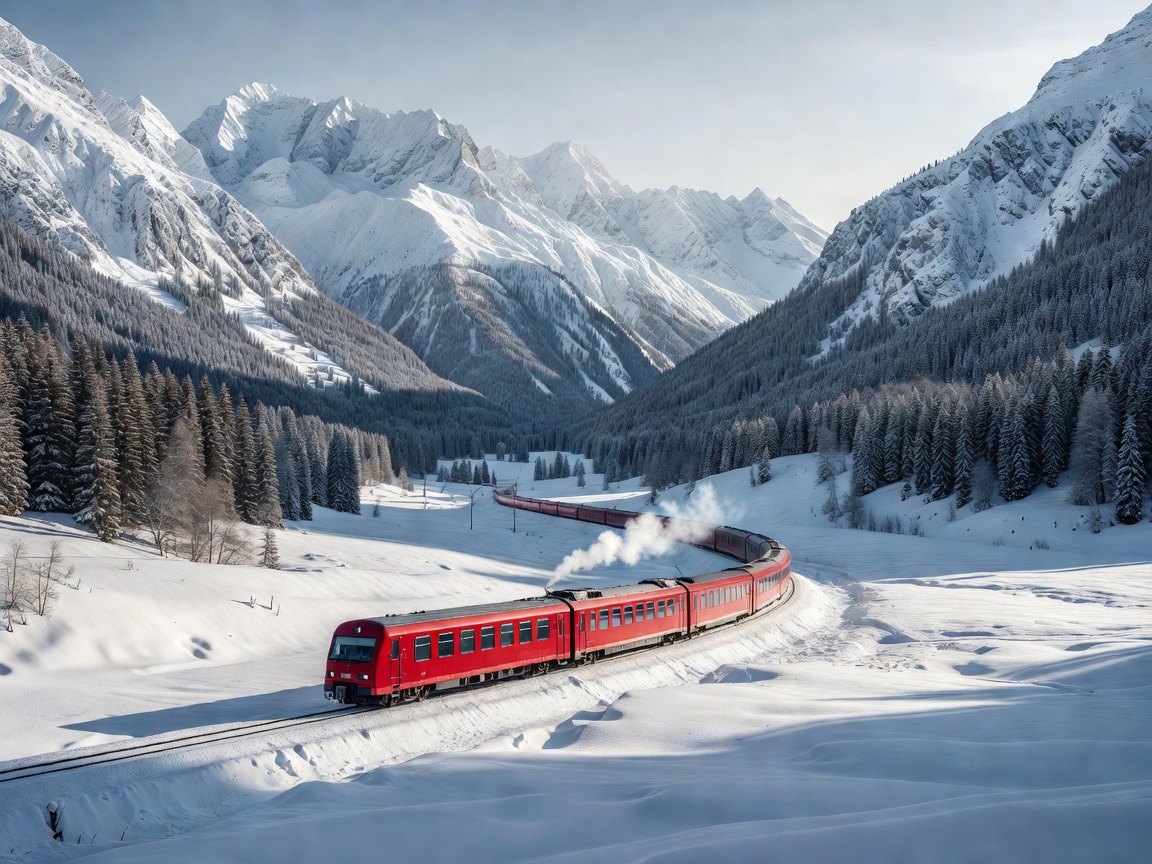
The Engineering Miracle: Semmering Railway
No discussion of Austrian rail travel is complete without celebrating the Semmeringbahn. Constructed between 1848 and 1854 under the direction of engineer Carl von Ghega, it was the first standard-gauge mountain railway ever built in Europe, earning World Heritage status in 1998. To cross the rugged pass between Gloggnitz and Mürzzuschlag without modern machinery, Ghega designed 16 viaducts—many double-tiered stone masonry structures—and 14 tunnels.
Semmering Historic Transit Stats
Route Length: 41 kilometers through the eastern Alps
Maximum Altitude: 898 meters at the Semmering summit tunnel
Masonry Architecture: Zero steel girders utilized; constructed entirely of stone and red brick
Famous View: The "20-Schilling View" overlooking the Kalte Rinne Viaduct
The Imperial Canon: Authentic Austrian Cuisine
Austrian cuisine is the culinary reflection of the multicultural Habsburg Empire, blending influences from Bohemia, Hungary, Northern Italy, and the Tyrolean mountains.
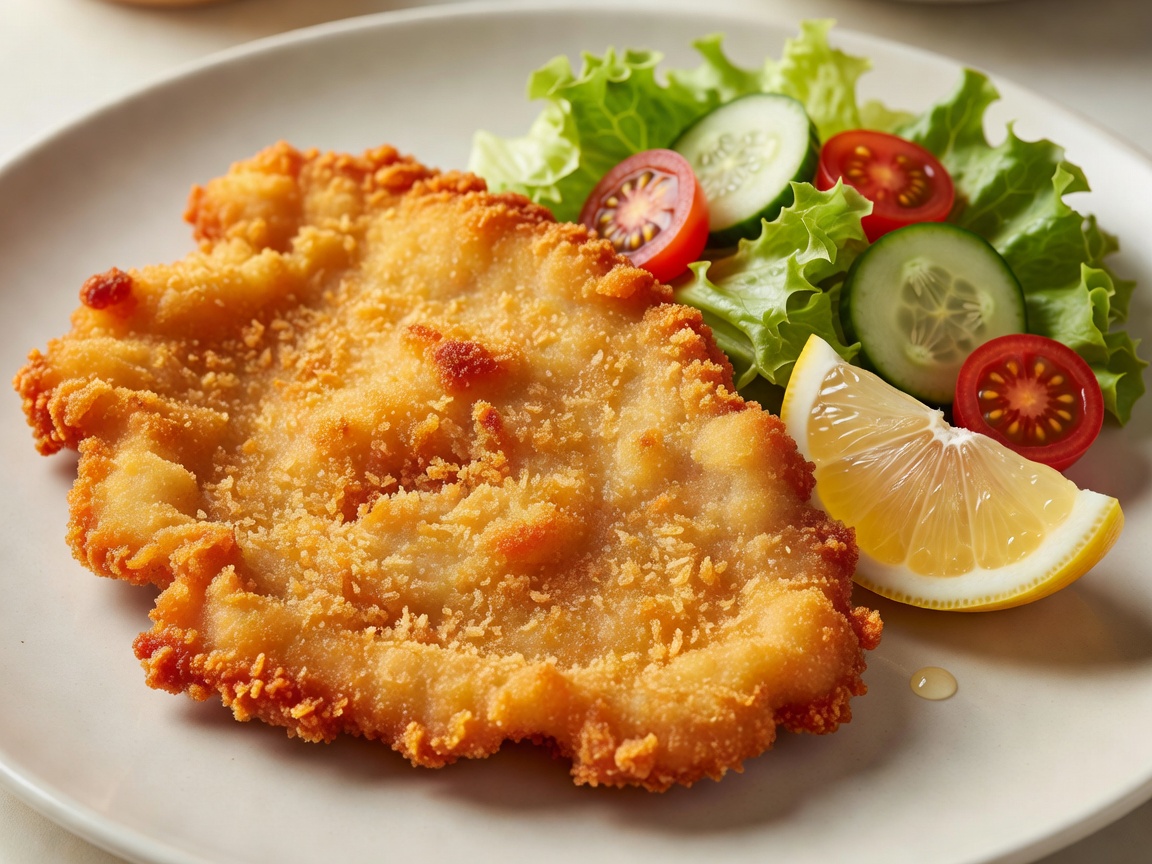
1. Wiener Schnitzel: The Gold Standard
Under Austrian food law, a dish labeled strictly as Wiener Schnitzel must be prepared exclusively with veal (Kalb). The meat is pounded thin, dipped lightly into fine wheat flour, passed through beaten egg, and coated in freshly grated breadcrumbs made from traditional crusty bread rolls (Kaisersemmeln). It is then pan-fried in generous clarified butter (Butterschmalz) at exactly 170°C to 180°C. The cook gently shakes the pan continually so that the breadcrumb crust puffs into delicate, golden ripples, detaching slightly from the tender meat. It is traditionally garnished with a lemon wedge and paired with an authentic Austrian potato salad (Erdäpfelsalat) dressed with beef broth, red onion, mustard, and pumpkin seed oil.
2. Tafelspitz: The Emperor's Daily Repast
Emperor Franz Joseph I famously stated that a day without boiled beef was a wasted day. Tafelspitz consists of a prime cut of beef tri-tip simmered slowly for several hours with root vegetables (carrots, celeriac, leeks) and whole peppercorns. It is served in copper pots filled with rich bouillon, accompanied by roasted hash brown potatoes (Erdäpfelschmarrn), chive sauce (Schnittlauchsauce), and an apple-horseradish relish (Apfelkren).
3. Kaiserschmarrn: The Imperial Shredded Pancake
Named after the Emperor, this decadent dessert features a fluffy, caramelized pancake batter enriched with egg whites beaten into stiff peaks and rum-soaked raisins. As the pancake cooks in melted butter, it is shredded with forks into bite-sized rustic pieces, dusted generously with powdered sugar, and served with a tangy stewed plum compote (Zwetschkenröster).
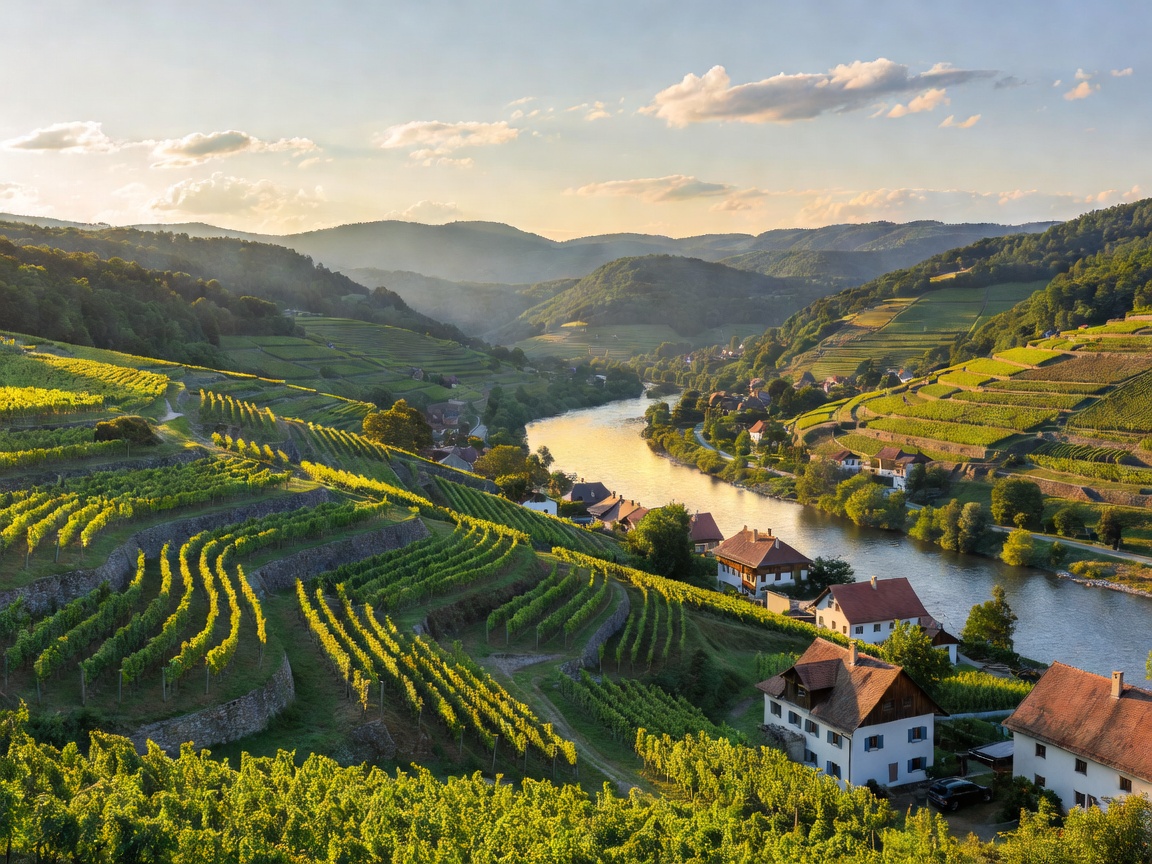
Austrian Wine Regions by Terroir
Wachau (Lower Austria): World-renowned dry Grüner Veltliner and mineral-driven Riesling grown on steep stone terraces along the Danube.
Burgenland (Neusiedlersee): Full-bodied Zweigelt, Blaufränkisch, and world-class noble sweet TBA dessert wines.
Southern Styria (Südsteiermark): Fragrant Sauvignon Blanc and crisp, light Schilcher rosé grown on precipitous rolling hills.
Practical Guide to Dining on the Rails
ÖBB Railjets offer onboard catering provided by DoN, one of Austria's premier hospitality groups. In First and Business Class, orders are delivered directly to your seat on fine porcelain. A quintessential traveler's order includes a warm goulash soup with a sourdough roll, accompanied by a chilled bottle of Grüner Veltliner Federspiel, consumed as the snowfields of the Enns Valley roll past your panoramic window.