Few places on the European continent display so dramatic a juxtaposition between imperial civilization and raw geological power as Innsbruck. Situated in the valley of the turquoise River Inn, the capital of the federal state of Tyrol stands flanked by the Karwendel Alps to the north and the Tuxer and Stubaier Alps to the south. In Innsbruck, you can order a morning melange under the gaze of Emperor Maximilian I's 15th-century gilded roof and, twenty minutes later, be standing atop the Hafelekar crag, gazing into the untamed Karwendel Nature Park where golden eagles soar on thermal drafts.
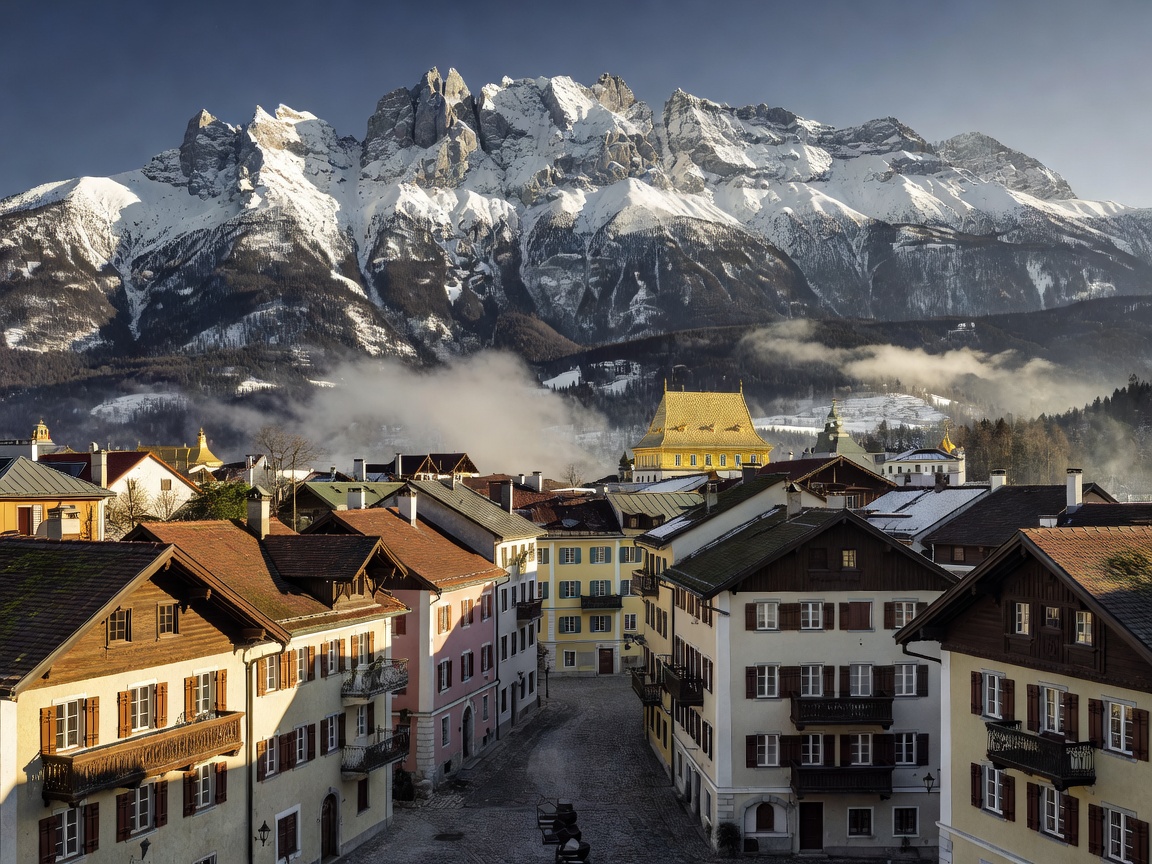
The Altstadt: Gothic Porticos and the Golden Roof
Innsbruck’s historic center (Altstadt) is a preserved medieval masterpiece. Its hallmark landmark is the Goldenes Dachl (Golden Roof), completed in the year 1500 for Holy Roman Emperor Maximilian I on the occasion of his marriage to Bianca Maria Sforza. The roof is tiled with precisely 2,657 fire-gilded copper shingles that catch the Tyrolean sunlight and cast a warm aureate glow across the cobblestones below. Maximilian used the ornate balcony below the roof as a royal box to observe tournaments and theatrical performances held in the square.
Innsbruck Vertical Profile
Base Valley Altitude: 574 meters (Innsbruck Old Town)
Hungerburg Station: 860 meters (Zaha Hadid cable-railway transit)
Seegrube Plateau: 1,905 meters (Alpine restaurant & panoramic viewpoint)
Hafelekar Peak: 2,334 meters (Direct cableway terminus)
Total Vertical Gain: 1,760 meters in ~20 minutes travel time
The Hofkirche: The "Black Men" of Maximilian's Cenotaph
Just a short walk from the Golden Roof stands the Hofkirche (Court Church), built in 1553 by Emperor Ferdinand I. The church contains the elaborate empty cenotaph of Maximilian I, surrounded by 28 life-sized bronze statues of the Emperor's ancestors, heroes, and royal peers. Cast by master sculptors including Albrecht Dürer and Peter Vischer the Elder, these bronze figures—locally nicknamed the Schwarze Mander ("Black Men", despite eight being women)—stand in eternal vigil along the nave.
The Nordkette Cable Railway: Architecture Meets Altitude
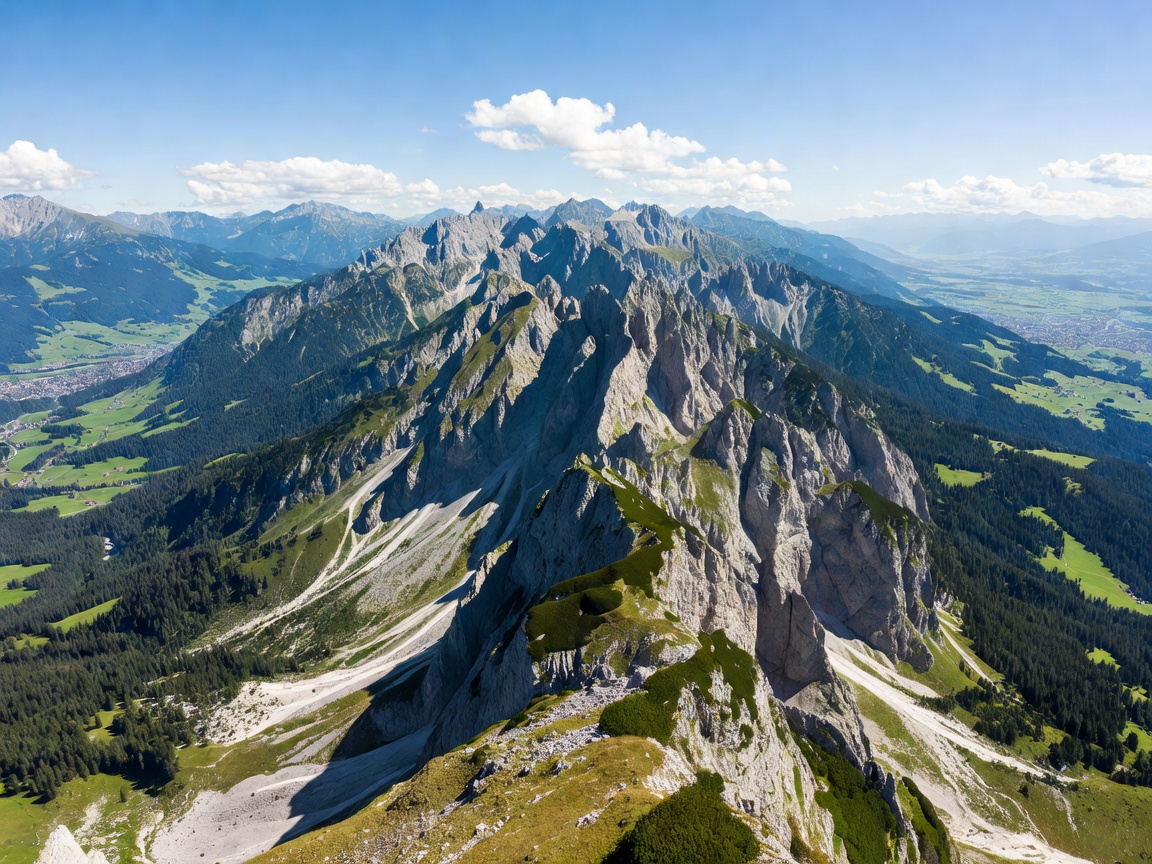
The journey from the urban center to the high alpine ridge is an architectural spectacle in its own right. Engineered by the visionary architect Zaha Hadid, the Hungerburgbahn funicular departs from an underground station at the Congress building in downtown Innsbruck. The four futuristic stations along the line feature fluid, double-curved glass shells inspired by natural glacial ice formations.
Ascending from Seegrube to Hafelekar
At Hungerburg (860m), passengers transfer directly onto the Nordkette cable car, climbing over spruce forests to the Seegrube (1,905m). In summer, mountain bikers navigate downhill tracks while hikers follow the Goetheweg trail. In winter, advanced skiers conquer the legendary Hafelekarrinne—one of the steepest marked ski runs in Europe with an extreme 70% gradient. A final four-minute cable car leg carries travelers up to the Hafelekar (2,269m), from which an easy 15-minute trail leads to the summit cross at 2,334 meters.
Alpine Weather & Gear Advisory
Summer Temperature Differential: Can drop by 12°C to 15°C between Old Town and Hafelekar.
Recommended Footwear: Sturdy hiking boots with Vibram lug soles.
Transit Convenience: The Innsbruck Card includes the full round-trip Nordkette ascent as well as admission to the Hofburg and Swarovski Crystal Worlds shuttle.
Winter & Summer Expedition Opportunities
Innsbruck has hosted the Winter Olympic Games twice (1964 and 1976), and its sports pedigree is everywhere. At the southern edge of the city, the Bergisel Ski Jump, also redesigned by Zaha Hadid, towers over the Brenner motorway approach. Visitors can ride the tower lift to the panorama café for breakfast while overlooking the city bowl.
For those looking for tranquil valleys, the nearby Stubai Glacier (Stubaier Gletscher) provides reliable glacier skiing from October through May, featuring 35 distinct ski runs and the "Top of Tyrol" viewing platform anchored at 3,210 meters.